
In July 2017 Neil suffered a cardiac arrest at home. He survived due to his son knowing how to give CPR.
Neil started to feel unwell in March 2017. He experienced night sweats, low energy and generally feeling unwell. He visited the GP who then sent him to the hospital to undergo a series of tests. At the hospital Neil was told he had an infection in the lining of the heart, called Endocarditis, it had unfortunately affected one of the valves in his heart and he would require an operation to replace the mitral valve.
While Neil was waiting at home for his operation he suffered a cardiac arrest at 3am in the morning while he was in bed. Neil’s wife Janice noticed he was gasping for air, she called for their son Oliver to help. Oliver who lives in Australia was visiting the family and was travelling back the next morning. Oliver told Janice to call 999 while Oliver moved Neil to the floor and started CPR right away. Oliver gave CPR for 21 minutes until the paramedics and first responders arrived and used a defibrillator. Neil was shocked 4 times and then taken to Calderdale Royal Hospital, and then transferred to Leeds General Infirmary. It was down to his son’s quick thinking and fast action that Neil survived his cardiac arrest.
Neil was taken to hospital where he then stayed for several weeks in intensive care to recover, he also had his mitral valve replaced. He couldn’t walk for a while and was using a wheelchair to get himself around. But on the 7th of September, nearly 6 weeks after his cardiac arrest he walked out of the hospital to start his new life and his road to recovery. His doctors and nurses called him the ‘Miracle Man’ after he made a complete recovery.
Once he was home he took things slowly and prioritised his recovery. But in December he was well enough to visit his son Oliver in Australia.
Neil said “My son Oliver is my lifesaver, it’s very emotional. Oliver learned CPR when he was 15 years old in school and if it hadn’t been for this, I might not be alive today”.

Neil said “I’m dedicated to spreading CPR skills as far and wide as I can. I work with the Resuscitation Council UK and Yorkshire Ambulance Service and Flat-Stan to spread awareness. I take part in voluntary training in the community. I always carry a CPR training kit in my car. I’ve set up a community fund to raise money so we can get a trainer to teach community groups CPR.”
In the UK, only 8% of patients survive out-of-hospital cardiac arrests. Neil is passionate about seeing this number increase.
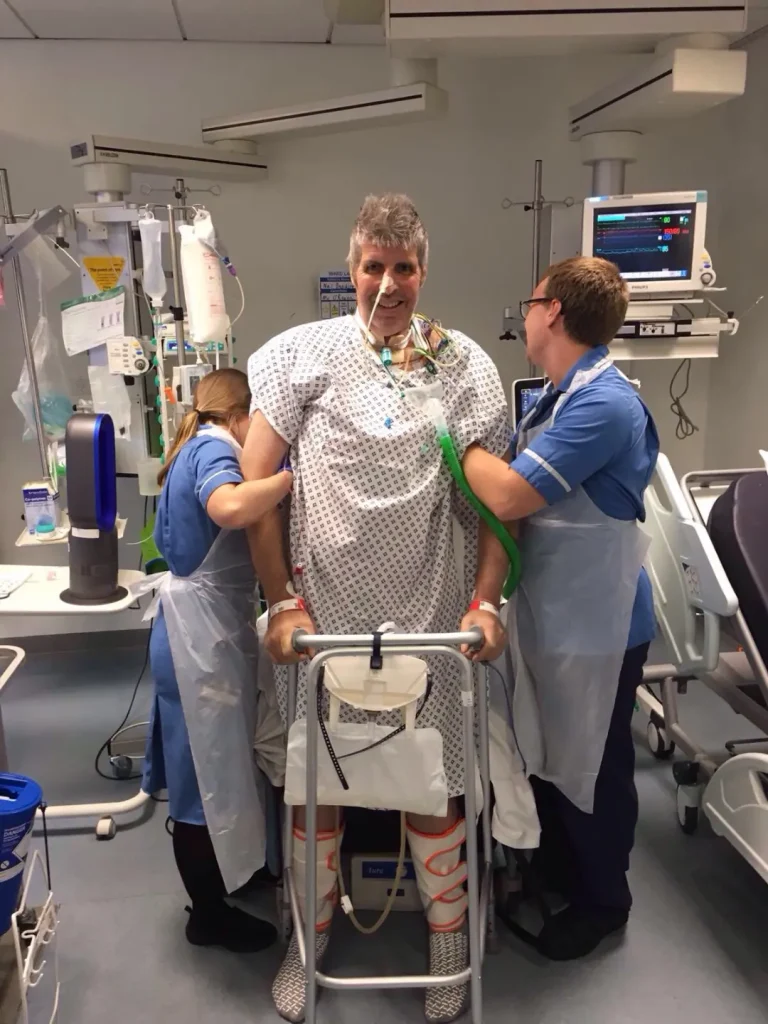
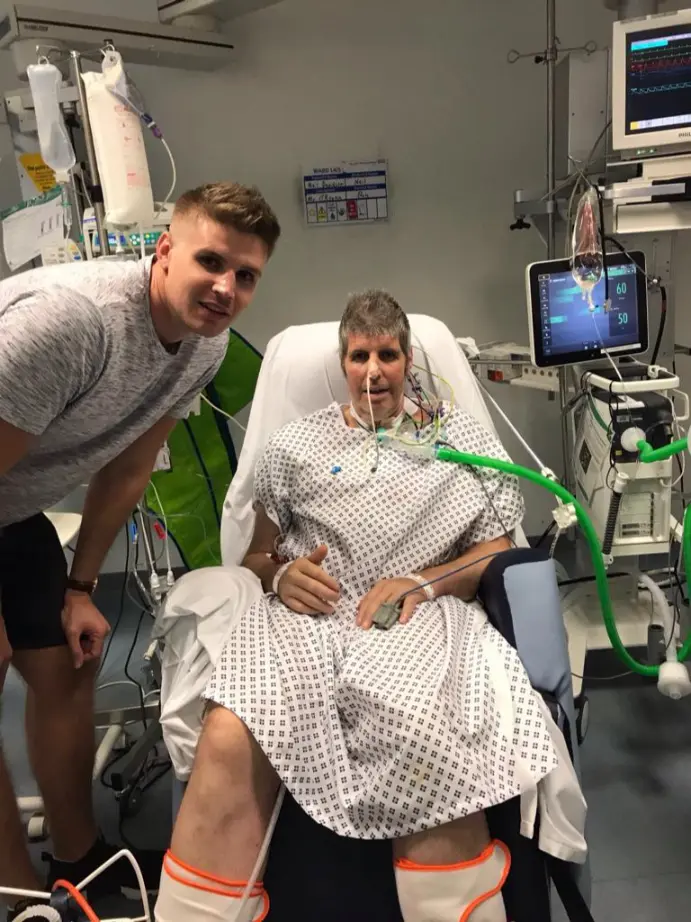
“I’ve always been known as a character,” Neil said. “I’m naturally a positive person. I’ve had a good life, and I’ve been very lucky. I’m one of the five out of 100 who survived with no memory loss or brain damage. There are people who are out for much longer than me who have much worse effects. The older I get, the more I realise that having been down for 21 minutes and receiving four shocks, I’m lucky to be in such good health.”
Neil dedicates his time to raising awareness surrounding CPR training and the use of defibrillators; “people are afraid that, if they use them on someone, they’re going to get sued or injure somebody. We need to make sure that the average person is confident and capable of using defibrillators.”
Neil’s son Oliver said “By no means did I ever think I would have to do it (give CPR) in a real life situation nor on my actual dad. I certainly feel that more people of all ages should be encouraged to learn about CPR and the benefits it can have when faced in a life or death situation.”
Oliver now works in Australia and has retrained to work in healthcare, inspired by his actions on that day.


